5 Smart Ways to Avoid Late Fees and Penalties on Utility Payments in Dubai

James Whitfield
5 May 2026
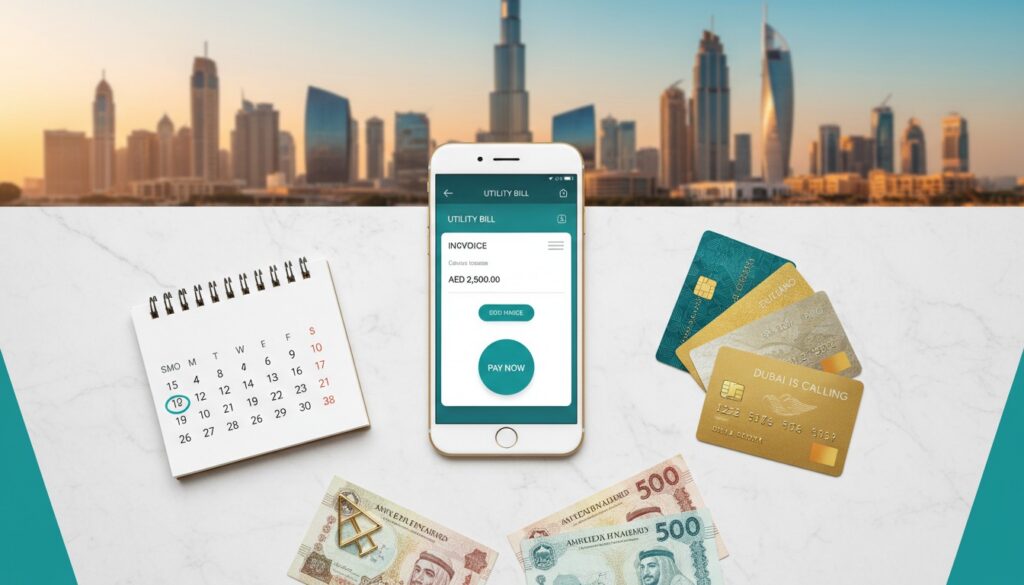
5 Smart Ways to Avoid Late Fees and Penalties on Utility Payments in Dubai
Living in Dubai comes with many perks — world-class infrastructure, tax-free income, and a vibrant cosmopolitan lifestyle. But it also comes with responsibilities, and one of the most overlooked is staying current on your utility payments. Whether it’s your DEWA (Dubai Electricity and Water Authority) bill, Etisalat or du telecom charges, or district cooling fees from Empower, falling behind on payments can snowball quickly.
Late utility payments in Dubai don’t just mean a small fine. They can lead to disconnection notices, accumulating penalties, damage to your credit history, and in extreme cases, even complications with your residency visa. The good news? Avoiding these headaches is entirely within your control. In this guide, we’ll walk through five practical, proven strategies to ensure you never miss a utility payment again.
1. Set Up Automated Payments Through Your Bank
The single most effective way to avoid late fees is to remove human error from the equation entirely. Most banks in the UAE — including Emirates NBD, ADCB, Mashreq, and FAB — offer standing instructions or direct debit facilities that automatically pay your utility bills on a set date each month.
How to Set It Up
- Log in to your bank’s online portal or mobile app.
- Navigate to the bill payments or standing instructions section.
- Add your DEWA account number, Etisalat/du account, or any other utility provider.
- Choose the payment frequency (monthly is standard) and set a date that falls at least 3–5 days before your bill’s due date.
- Confirm and save.
Pro Tip: Always set your autopay date a few days before the actual deadline. Processing delays can sometimes cause payments to post a day or two late, and that buffer protects you.
Why This Works
- Zero effort after initial setup
- Payments are consistent and trackable
- Most banks send you a confirmation SMS or email after each deduction
2. Use Calendar Reminders and Bill-Tracking Apps
If you prefer to maintain manual control over your payments — perhaps because your income arrives at irregular intervals or you like to review each bill before paying — then a robust reminder system is non-negotiable.
Calendar Reminders
Use Google Calendar, Apple Calendar, or Outlook to create recurring monthly reminders for each utility bill. Here’s a smart approach:
- First reminder: 7 days before the due date (“DEWA bill due in one week — review charges”)
- Second reminder: 2 days before the due date (“Pay DEWA bill today”)
- Third reminder: On the due date (“FINAL: DEWA payment deadline”)
Bill-Tracking Apps
Several apps available in the UAE can help you consolidate and track all your bills in one place:
- DEWA Smart App — Manage your electricity and water bills, view consumption history, and pay directly.
- My Etisalat / du App — Track telecom bills, data usage, and make instant payments.
- Sarwa or Wallet apps — Some financial planning apps let you set bill reminders and track recurring expenses.
Important: Never rely on receiving a paper bill or email notification as your only trigger. Emails go to spam, paper bills get lost, and notification systems occasionally fail. You should control the reminder, not the provider.
3. Leverage Credit Card Rewards and Cashback for Bill Payments
Here’s a strategy that not only helps you avoid late fees but can actually save you money or earn you rewards in the process. Many UAE credit cards offer cashback or reward points when you use them to pay utility bills.
How It Works
- Pay your utility bills using a rewards credit card instead of a debit card or bank transfer.
- Earn 1%–5% cashback or equivalent loyalty points on each transaction.
- Then, pay off your credit card balance in full before its due date to avoid interest charges.
Best Cards for Utility Payments in Dubai
| Card | Reward Type | Benefit on Bill Payments |
|——|————|————————-|
| Emirates NBD Go4it | Points | 1 point per AED 1 spent |
| ADCB Touchpoints | Cashback | Up to 1% cashback |
| Mashreq Cashback Card | Cashback | Up to 2% on bill payments |
| FAB Cashback Card | Cashback | Up to 3% on select categories |
Note: Terms and reward rates change frequently. Always verify current offers with your bank.
The Double Benefit
By routing your utility payments through a credit card:
- You get an additional grace period (your credit card billing cycle effectively extends your payment window).
- You earn rewards on money you were going to spend anyway.
- You build a positive credit history in the UAE, which can help with future loan or mortgage applications.
Warning: This strategy only works if you pay your credit card balance in full each month. Carrying a balance and paying 3% monthly interest to earn 1% cashback is a losing game.
4. Build a Dedicated Utility Buffer Fund
One of the most common reasons people miss utility payments isn’t forgetfulness — it’s cash flow timing. Your salary hits on the 28th, but your DEWA bill is due on the 15th. Or an unexpectedly high summer electricity bill catches you off guard when the AC has been running non-stop.
The solution? Create a small buffer fund specifically earmarked for utilities.
How to Build Your Buffer
- Calculate your average monthly utility costs. In Dubai, a typical apartment might incur:
- Set aside 1.5x your average monthly total in a separate savings account or sub-account. This gives you a comfortable cushion.
- Top it up whenever your actual bill comes in lower than expected.
Why This Matters in Dubai Specifically
Dubai’s climate means your electricity consumption can double or even triple during summer months (June–September). If you budget based on your winter bills, a summer DEWA statement of AED 1,500+ can be a genuine shock. A buffer fund absorbs these seasonal spikes without disrupting your other financial commitments.
Smart Move: Open a separate savings account with your bank — many UAE banks offer zero-fee savings accounts — and name it “Utility Fund.” Automate a monthly transfer into it right after payday.
5. Know Your Grace Periods, Dispute Rights, and Emergency Options
Even with the best systems in place, life happens. You might travel unexpectedly, face a banking issue, or simply have a month where everything goes sideways. In these situations, knowing your rights and options can save you from penalties.
DEWA Grace Periods and Late Fee Structure
- DEWA typically provides a grace period of about 25–30 days from the bill issue date before applying late fees.
- After the grace period, a 5% late payment surcharge may be applied to the outstanding amount.
- Continued non-payment can lead to disconnection, which carries its own reconnection fee (typically AED 100–300).
Dispute a Bill Before the Deadline
If you notice an unusually high charge, don’t ignore it and don’t just refuse to pay. Instead:
- Contact DEWA’s customer service (call 991 or use the DEWA app) before the due date.
- Request a meter reading verification or account review.
- In many cases, DEWA will place a temporary hold on the disputed amount while they investigate, preventing late fees from accruing on that portion.
Emergency Payment Options
If you’re caught short on the due date, remember that Dubai offers multiple instant payment channels:
- DEWA app or website — instant payment via card
- Dubai Now app — the government’s unified services app supports DEWA, Etisalat, du, and more
- Kiosks and payment machines — available at malls, supermarkets, and DEWA customer happiness centers
- Etisalat/du retail stores — walk in and pay on the spot
Installment Plans
If you’re facing a genuinely large bill you can’t pay in full, contact your provider proactively. Both DEWA and telecom companies in the UAE sometimes offer installment arrangements for large outstanding amounts. It’s always better to negotiate a payment plan than to let the bill go unpaid and face disconnection.
Understanding the Real Cost of Late Payments in Dubai
To put all of this in perspective, let’s look at what late payments can actually cost you:
- DEWA late fee: 5% surcharge on the outstanding balance
- Disconnection and reconnection: AED 100–300+
- Telecom late fee: Varies, but can include service suspension and reactivation charges
- Credit score impact: The Al Etihad Credit Bureau (AECB) tracks payment behavior. Late utility payments can lower your credit score, affecting your ability to get loans, credit cards, or even rent a new apartment.
- Visa implications: In extreme cases of prolonged non-payment, outstanding debts can complicate visa renewals or exit procedures.
Quick-Reference Checklist
Here’s a summary you can save or print:
- [ ] Automate all recurring utility payments through your bank
- [ ] Set triple reminders (7 days, 2 days, and day-of) for each bill
- [ ] Use a rewards credit card for payments and pay the card off monthly
- [ ] Maintain a buffer fund equal to 1.5x your average monthly utility costs
- [ ] Know your grace periods and dispute processes for each provider
- [ ] Download the DEWA and Dubai Now apps for instant emergency payments
- [ ] Review your AECB credit report annually to ensure no missed payments are recorded
Conclusion
Avoiding late fees on utility payments in Dubai isn’t about being perfect — it’s about having systems in place that work even when life gets hectic. By automating your payments, setting smart reminders, leveraging credit card rewards, maintaining a financial buffer, and understanding your rights as a consumer, you can eliminate late fees entirely and keep more money in your pocket.
The strategies in this guide are simple to implement but powerful in their cumulative effect. A few minutes of setup today can save you hundreds of dirhams — and countless headaches — over the course of a year.
Take Action Today
Don’t wait for your next late fee to be the wake-up call. Pick one strategy from this list and implement it right now. Whether it’s setting up autopay, downloading the DEWA app, or opening a dedicated utility savings account, the best time to start is today.
Have your own tips for managing utility payments in Dubai? Share them in the comments below — your experience might help a fellow resident avoid an unnecessary penalty.
Written by David Miller | Money-Saving Tips for Dubai Residents